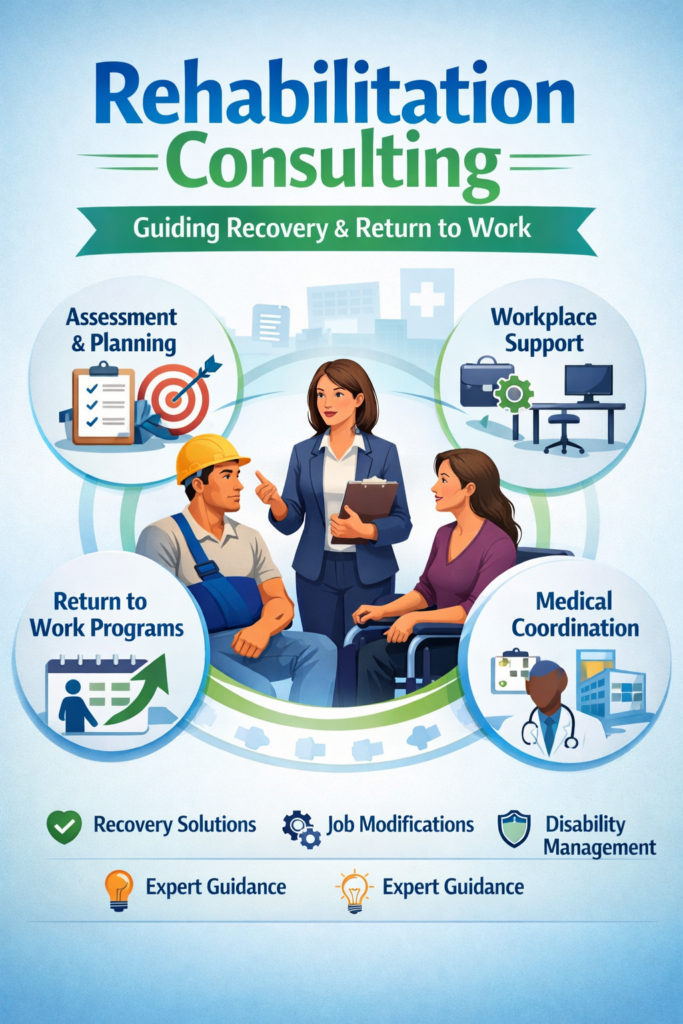
Collaborative medical evaluation for life care plans ensures accurate, defensible, and patient-centered future care projections. By integrating multiple medical and rehabilitation experts, this approach creates comprehensive plans that support legal, clinical, and long-term recovery needs.
What Is Collaborative Medical Evaluation?
Collaborative evaluation brings together physicians, life care planners, therapists, and specialists to assess current and future medical needs.
Multidisciplinary Team Approach
A coordinated team reviews medical records, functional status, and prognosis to build a unified care strategy.
Evidence-Based Assessment
All recommendations are based on clinical guidelines, peer-reviewed research, and standardized life care planning methods.
Why Collaboration Matters in Life Care Planning
Accurate life care plans depend on shared expertise and consistent medical opinions.
Improved Accuracy and Reliability
Multiple professional perspectives reduce gaps and improve cost forecasting.
Stronger Medical-Legal Support
Unified evaluations provide credible documentation for catastrophic injury and complex litigation cases.
Key Components of a Collaborative Life Care Plan
Comprehensive Medical Review
Includes diagnosis, treatment history, and long-term prognosis.
Future Care Needs Analysis
Projects therapies, medications, equipment, and attendant care.
Cost and Resource Planning
Estimates lifetime medical expenses with regional and clinical accuracy.
Benefits for Patients and Legal Teams
Patient-Centered Outcomes
Plans reflect real-world recovery goals and quality-of-life needs.
Clear Communication
Structured collaboration ensures consistent reporting across all stakeholders.
How Experts Work Together
Physician and Specialist Input
Doctors provide medical necessity and treatment pathways.
Rehabilitation and Therapy Insights
Therapists evaluate functional limitations and long-term support needs.
Life Care Planner Integration
Certified planners compile, analyze, and document all findings into a legally sound plan.
Best Practices for Effective Collaboration
Regular interdisciplinary case reviews
Standardized reporting formats
Use of updated clinical guidelines
Transparent cost methodology
Conclusion
Collaborative medical evaluation for life care plans delivers precise, defensible, and patient-focused projections. By uniting medical, rehabilitation, and planning experts, this approach ensures comprehensive future care strategies that support recovery, legal clarity, and long-term well-being.