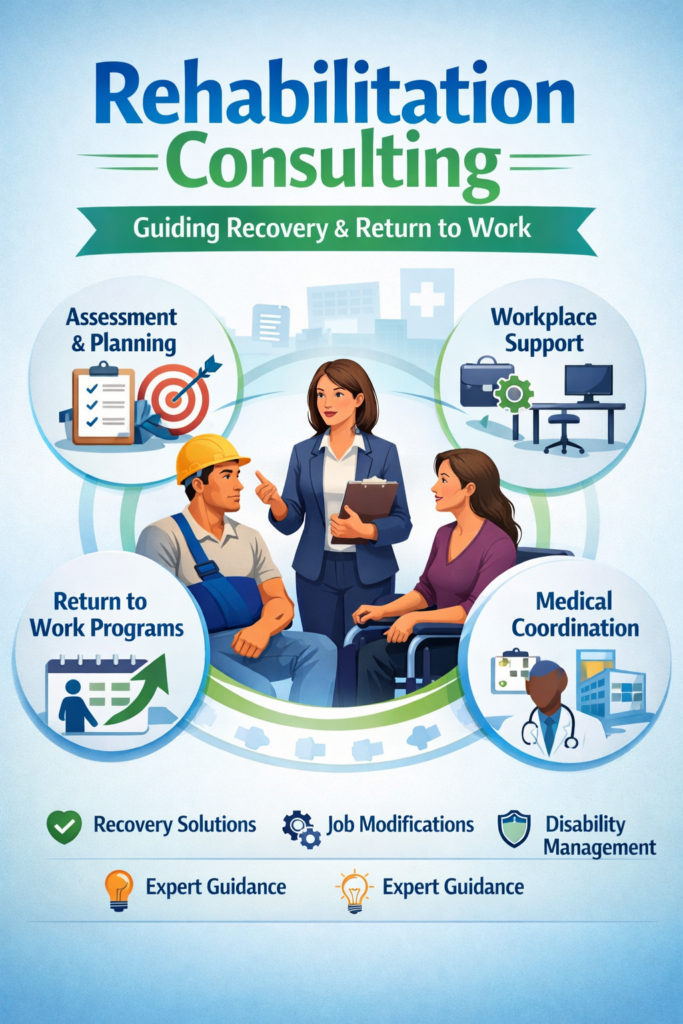
In complex personal injury, medical malpractice, and catastrophic injury cases, attorneys must clearly demonstrate a client’s future medical needs and associated costs. Evidence-based life care plans for legal cases provide a structured, research-supported method for documenting long-term care requirements, rehabilitation services, and financial projections. These plans transform medical data into legally defensible, easy-to-understand reports that support settlement negotiations, mediation, and courtroom testimony.
By integrating clinical standards, functional assessments, and cost analysis, evidence-based life care planning strengthens legal arguments and ensures fair representation of future damages.
What Are Evidence-Based Life Care Plans for Legal Cases?
Evidence-based life care plans are comprehensive documents prepared by qualified professionals that outline current and future care needs using established medical research and clinical guidelines.
Purpose of Life Care Plans in Litigation
These plans help legal teams:
Identify long-term medical and rehabilitation needs
Project lifetime care costs
Support expert testimony
Substantiate economic damages
Types of Cases That Use Life Care Plans
Personal injury and catastrophic injury
Medical malpractice
Birth injury and neurological damage
Workers’ compensation
Wrongful death and survival actions
Why Evidence-Based Life Care Plans Matter in Court
Courts and insurers increasingly require objective, well-documented evidence when evaluating future damages.
Scientific and Clinical Support
Evidence-based plans rely on:
Peer-reviewed medical literature
National treatment guidelines
Standardized functional assessment tools
Legal Credibility and Defensibility
Using accepted methodologies strengthens admissibility and withstands cross-examination.
Clear Communication for Juries
Well-organized life care plans translate complex medical information into understandable, structured formats.
Core Components of Evidence-Based Life Care Plans
Each plan is tailored but follows a consistent framework.
Medical Care and Treatment
Physician follow-ups and specialty care
Medication management
Diagnostic testing and monitoring
Rehabilitation and Therapy
Physical, occupational, and speech therapy
Cognitive and psychological treatment
Long-term functional restoration planning
Personal Care and Daily Support
Activities of daily living (ADL) assistance
Home health and attendant care
Family caregiver needs
Equipment and Assistive Technology
Mobility aids and durable medical equipment
Adaptive communication devices
Replacement and maintenance schedules
Environmental and Accessibility Modifications
Home and workplace accessibility
Transportation adaptations
Safety and independence enhancements
The Evidence-Based Methodology
A strong plan is built on objective data and individualized assessment.
Comprehensive Medical Record Review
All relevant diagnostic reports, treatment histories, and prognoses are analyzed.
Functional Capacity Evaluation
Physical, cognitive, and psychosocial abilities are assessed to project long-term needs.
Multidisciplinary Collaboration
Input may come from:
Physicians and specialists
Rehabilitation therapists
Neuropsychologists
Vocational experts
Care coordinators
Cost Research and Documentation
Costs are supported by regional pricing, vendor quotes, and healthcare economic data.
Role of Evidence-Based Life Care Plans in Legal Strategy
Life care plans are powerful tools for attorneys.
Supporting Economic Damage Claims
Accurate lifetime cost projections strengthen compensation demands.
Enhancing Expert Testimony
Life care planners explain care needs, methodology, and projections during depositions and trial.
Facilitating Settlement Negotiations
Clear documentation helps opposing parties understand future exposure, often leading to fair resolutions.
Collaboration Between Attorneys and Life Care Planners
Effective coordination ensures reliable results.
Early Case Involvement
Engaging a life care planner early allows for accurate assessment and strategic alignment.
Ongoing Updates
Plans should reflect changes in medical condition, treatment response, or prognosis.
Court-Ready Documentation
Final reports are formatted for legal review, discovery, and presentation.
Common Challenges and How Evidence-Based Plans Address Them
Disputed Future Care Needs
Research-supported recommendations reduce speculation and strengthen credibility.
Cost Controversies
Transparent pricing sources and replacement schedules support financial accuracy.
Cross-Examination Pressure
Standardized methodology and documentation improve defensibility
When to Use Evidence-Based Life Care Plans
During Case Development
Supports pleadings, discovery, and initial settlement discussions.
Before Mediation or Arbitration
Clarifies future damages and improves negotiation leverage.
In Trial Preparation
Strengthens jury understanding and expert witness effectiveness.
Benefits for Attorneys and Clients
For Attorneys
Stronger damage models
Credible expert support
Clear, organized evidence
For Clients
Realistic understanding of future needs
Improved access to appropriate care
Greater confidence in legal representation
Future Trends in Life Care Planning for Legal Cases
Increased reliance on evidence-based standards
Greater integration of technology and telehealth data
Expanded multidisciplinary collaboration
Heightened judicial scrutiny of methodology
These trends further emphasize the importance of structured, research-supported life care planning in modern litigation.
Conclusion
Evidence-based life care plans for legal cases provide a reliable, defensible foundation for demonstrating future medical, rehabilitation, and support needs. By combining clinical research, functional assessment, and cost analysis, these plans help attorneys present clear, compelling, and accurate claims for long-term damages.
For complex injury and malpractice cases, evidence-based life care planning is not just supportive—it is essential for achieving fair, informed legal outcomes.