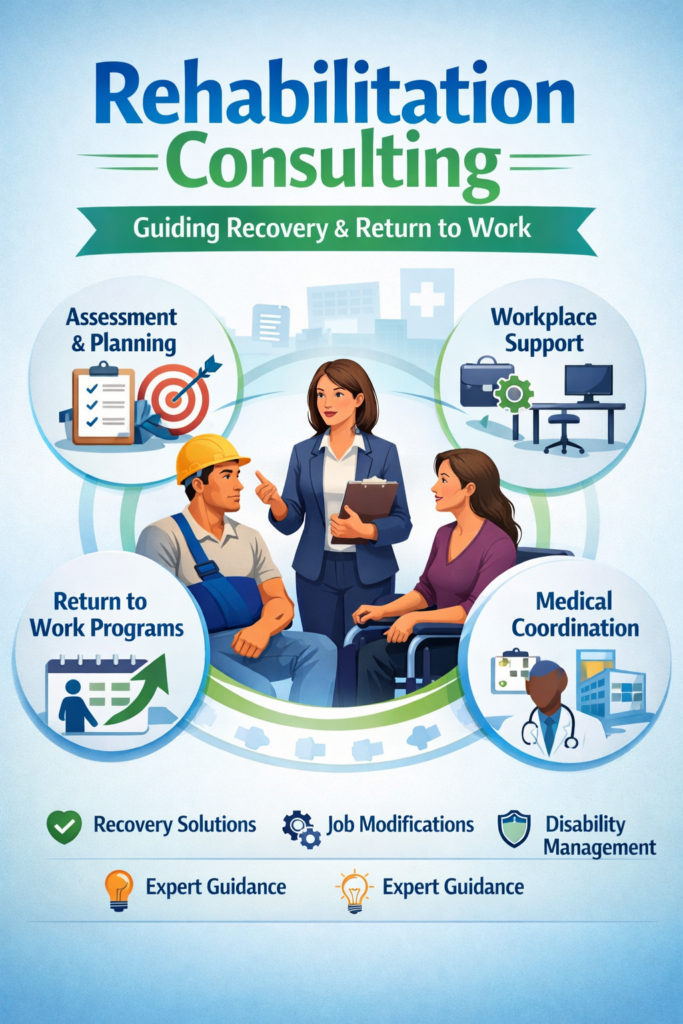
When individuals suffer catastrophic injuries or complex medical conditions, planning for lifelong care becomes a critical and highly specialized process. Expert life care planners following IALCP standards provide the highest level of professional guidance by combining medical expertise, rehabilitation knowledge, and strict adherence to internationally recognized planning guidelines.
The International Association of Life Care Planners (IALCP) sets ethical, methodological, and professional standards that ensure life care plans are accurate, defensible, and focused on the individual’s long-term well-being. For patients, families, attorneys, and insurers, working with IALCP-aligned professionals offers confidence that every recommendation is evidence-based and carefully documented.
What Are IALCP Standards in Life Care Planning?
IALCP standards define best practices for developing comprehensive and credible life care plans.
Purpose of IALCP Guidelines
IALCP standards are designed to ensure:
Ethical and unbiased assessment
Evidence-based medical recommendations
Consistent methodology
Defensible cost projections
Multidisciplinary collaboration
Why Standards Matter in Life Care Planning
Following established standards:
Improves the accuracy of future care projections
Enhances credibility in legal and insurance settings
Protects patients through objective, patient-centered planning
Reduces challenges during litigation and cross-examination
Role of Expert Life Care Planners Following IALCP Standards
Life care planners trained under IALCP guidelines provide structured, research-based evaluations of long-term needs.
Comprehensive Medical Record Review
Experts analyze:
Diagnostic findings
Surgical history
Physician recommendations
Prognosis and long-term risks
Functional and Rehabilitation Assessment
Evaluations include:
Physical and cognitive limitations
Therapy needs and recovery potential
Assistive device requirements
Independence and safety considerations
Future Care and Cost Projection
Life care planners project:
Medical treatment and follow-up care
Rehabilitation services
Medications and supplies
Personal care and attendant services
Home modifications and accessibility needs
Equipment replacement schedules
Key Components of an IALCP-Compliant Life Care Plan
Medical Care Planning
Specialist consultations
Ongoing diagnostics
Preventive and maintenance care
Rehabilitation and Therapy Services
Physical therapy
Occupational therapy
Speech and cognitive therapy
Psychological and behavioral support
Personal Care and Daily Living Support
Assistance with activities of daily living
Home health services
Caregiver support and training
Personal Care and Daily Living Support
Assistance with activities of daily living
Home health services
Caregiver support and training
Equipment and Assistive Technology
Mobility aids
Communication devices
Adaptive equipment and environmental controls
Environmental and Housing Modifications
Wheelchair accessibility
Bathroom and kitchen adaptations
Safety and fall-prevention features
Legal Importance of IALCP-Compliant Life Care Planning
In litigation, credibility and methodology are critical.
Supporting Personal Injury and Medical Malpractice Cases
Expert life care planners:
Establish future medical damages
Provide defensible cost analysis
Support settlement negotiations
Serve as expert witnesses
Workers’ Compensation and Disability Claims
IALCP-based plans help document:
Permanent impairment
Ongoing treatment needs
Vocational limitations
Long-term care expenses
Wrongful Death and Survival Actions
Life care planners assist with:
Projecting future medical care had the individual survived
Supporting economic loss calculations
Clarifying medical causation
Multidisciplinary Collaboration Under IALCP Standards
Expert life care planners work alongside:
Medical Professionals
Physicians
Surgeons
Specialists
Pain management experts
Rehabilitation Specialists
Physical and occupational therapists
Speech-language pathologists
Neuropsychologists
Case Managers and Care Coordinators
Community resource specialists
Home health providers
Durable medical equipment vendors
Legal and Financial Professionals
Attorneys
Economists
Vocational rehabilitation experts
Evidence-Based Methodology
IALCP standards emphasize scientific and clinical validity.
Use of Peer-Reviewed Research
Recommendations are grounded in:
Medical literature
Rehabilitation outcome studies
Clinical practice guidelines
Individualized, Patient-Centered Planning
Plans reflect:
Age and life expectancy
Severity and progression of condition
Functional goals
Home and social environment
Transparent Cost Modeling
Costs are based on:
Regional provider rates
Vendor pricing
Replacement schedules
Medical inflation trends
Benefits of Working With Expert Life Care Planners Following IALCP Standards
Higher Accuracy and Reliability
Standardized methods reduce errors and omissions.
Greater Legal Defensibility
Well-documented, evidence-based plans withstand scrutiny in court.
Improved Long-Term Care Outcomes
Comprehensive planning supports continuity of care and quality of life.
Reduced Stress for Families
Clear projections and coordinated planning provide peace of mind.
When to Engage an IALCP-Qualified Life Care Planner
Immediately After Catastrophic Injury
Early planning allows accurate baseline assessment and proactive care coordination.
During Legal or Insurance Proceedings
Expert input strengthens damage calculations and case strategy.
For Long-Term Medical and Financial Planning
Families gain clarity on:
Lifetime care needs
Anticipated costs
Resource planning
Future of IALCP-Based Life Care Planning
Advancements continue to shape the field:
Integration of telehealth and remote monitoring
Predictive analytics for long-term outcomes
Enhanced collaboration between medical and legal professionals
Increasing demand for forensic life care planning
Expert life care planners following IALCP standards will remain essential in delivering objective, comprehensive, and defensible life care plans.
Conclusion
Expert life care planners following IALCP standards provide the highest level of professional life care planning by combining clinical expertise, ethical practice, and evidence-based methodology. Their work ensures accurate future care projections, credible cost analysis, and coordinated long-term planning for individuals facing serious injury or complex medical conditions.
For patients, families, and legal professionals, IALCP-aligned life care planning offers clarity, credibility, and confidence in navigating the challenges of lifelong care.
When individuals suffer catastrophic injuries or complex medical conditions, planning for lifelong care becomes a critical and highly specialized process. Expert life care planners following IALCP standards provide the highest level of professional guidance by combining medical expertise, rehabilitation knowledge, and strict adherence to internationally recognized planning guidelines.
The International Association of Life Care Planners (IALCP) sets ethical, methodological, and professional standards that ensure life care plans are accurate, defensible, and focused on the individual’s long-term well-being. For patients, families, attorneys, and insurers, working with IALCP-aligned professionals offers confidence that every recommendation is evidence-based and carefully documented.
What Are IALCP Standards in Life Care Planning?
IALCP standards define best practices for developing comprehensive and credible life care plans.
Purpose of IALCP Guidelines
IALCP standards are designed to ensure:
Ethical and unbiased assessment
Evidence-based medical recommendations
Consistent methodology
Defensible cost projections
Multidisciplinary collaboration
Why Standards Matter in Life Care Planning
Following established standards:
Improves the accuracy of future care projections
Enhances credibility in legal and insurance settings
Protects patients through objective, patient-centered planning
Reduces challenges during litigation and cross-examination
Role of Expert Life Care Planners Following IALCP Standards
Life care planners trained under IALCP guidelines provide structured, research-based evaluations of long-term needs.
Comprehensive Medical Record Review
Experts analyze:
Diagnostic findings
Surgical history
Physician recommendations
Prognosis and long-term risks
Functional and Rehabilitation Assessment
Evaluations include:
Physical and cognitive limitations
Therapy needs and recovery potential
Assistive device requirements
Independence and safety considerations
Future Care and Cost Projection
Life care planners project:
Medical treatment and follow-up care
Rehabilitation services
Medications and supplies
Personal care and attendant services
Home modifications and accessibility needs
Equipment replacement schedules
Key Components of an IALCP-Compliant Life Care Plan
Medical Care Planning
Specialist consultations
Ongoing diagnostics
Preventive and maintenance care
Rehabilitation and Therapy Services
Physical therapy
Occupational therapy
Speech and cognitive therapy
Psychological and behavioral support
Personal Care and Daily Living Support
Assistance with activities of daily living
Home health services
Caregiver support and training
Personal Care and Daily Living Support
Assistance with activities of daily living
Home health services
Caregiver support and training
Assistance with activities of daily living
Home health services
Caregiver support and training
Legal Value of Healthcare Consulting in Catastrophic Injury Cases
Healthcare consulting plays a critical role in litigation and claims.
Supporting Personal Injury and Medical Malpractice Cases
Establishes future medical damages
Quantifies long-term care costs
Strengthens expert reports
Improves settlement leverage
Workers’ Compensation and Disability Claims
Documents permanent impairment
Supports vocational rehabilitation
Validates ongoing medical needs
Wrongful Death and Survival Actions
Projects pre-death care costs
Supports economic loss analysis
Clarifies medical causation
Multidisciplinary Team Approach
A healthcare consulting firm brings together:
Medical Specialists
Neurologists
Orthopedic surgeons
Physiatrists
Pain management physicians
Rehabilitation Professionals
Physical therapists
Occupational therapists
Speech and cognitive therapists
Life Care Planners and Case Managers
Long-term care coordinators
Cost analysts
Community resource specialists
Forensic and Legal Support Experts
Expert witnesses
Economists
Vocational rehabilitation consultants
Evidence-Based Methodology
Modern catastrophic injury consulting relies on:
Clinical Practice Guidelines
Peer-reviewed medical literature
Rehabilitation best practices
National treatment standards
Individualized Assessment
Plans are tailored based on:
Injury severity
Age and life expectancy
Functional goals
Home and social environment
Defensible Cost Modeling
Regional pricing data
Vendor quotes
Medical inflation factors
Replacement schedules
When to Engage a Healthcare Consulting Firm
Immediately After Injury
Early involvement allows:
Accurate baseline assessment
Proper rehabilitation direction
Early cost projection
During Litigation or Insurance Disputes
Consulting strengthens:
Damage documentation
Expert opinions
Trial preparation
For Long-Term Care Planning
Families gain clarity on:
Future medical needs
Caregiver requirements
Financial planning
Benefits of Using a Specialized Catastrophic Injury Consulting Firm
Improved Patient Outcomes
Coordinated, appropriate care
Reduced treatment delays
Better functional recovery
Stronger Legal Documentation
Clear future damage presentation
Credible expert testimony
Court-ready reports
Financial Clarity and Planning
Accurate lifetime cost estimates
Insurance and settlement support
Long-term budgeting guidance
Reduced Family Stress
Clear roadmap of care
Professional guidance
Resource coordination
Future of Catastrophic Injury Healthcare Consulting
Emerging trends include:
Tele-rehabilitation integration
Predictive care modeling
Advanced assistive technology planning
Increased use of forensic life care planning
Greater collaboration with legal teams
Healthcare consulting will continue to evolve as an essential component in catastrophic injury management, litigation, and lifetime care planning.
Conclusion
A healthcare consulting firm for catastrophic injury cases provides far more than medical opinions. It delivers structured planning, coordinated rehabilitation strategies, and legally defensible cost projections that guide recovery, support families, and strengthen legal claims.
Through multidisciplinary expertise, evidence-based methodology, and long-term vision, these firms ensure that individuals affected by catastrophic injuries receive comprehensive, future-focused care and representation.