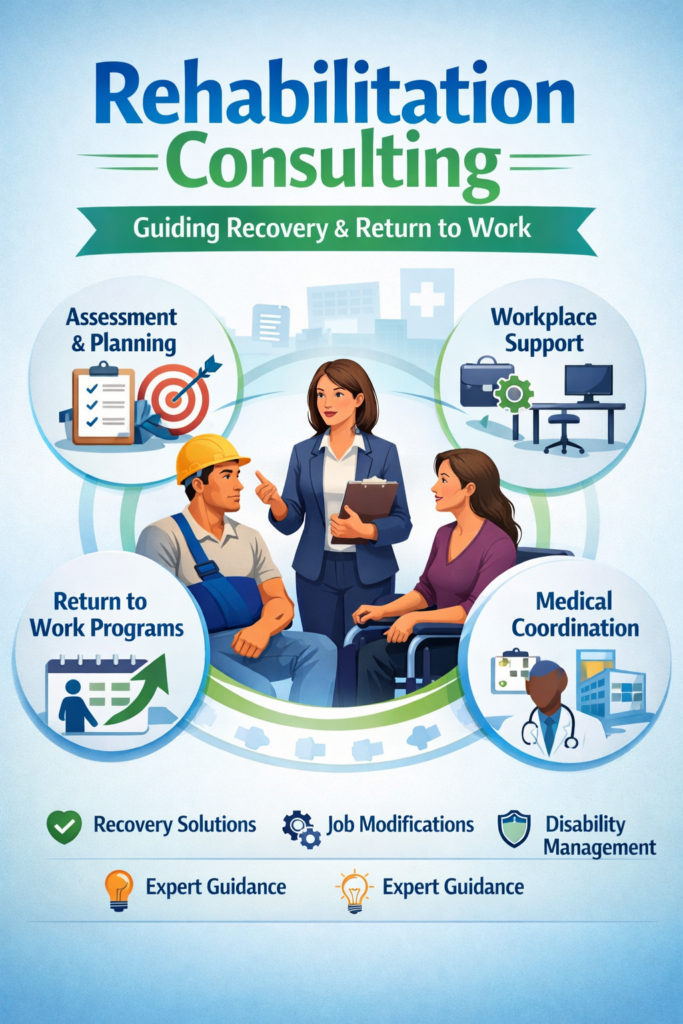
Effective patient care increasingly depends on Health Care Provider Collaboration, the practice of coordinating across medical disciplines, facilities, and providers. Collaboration ensures that patients receive holistic, timely, and high-quality care, minimizing errors, duplication of services, and miscommunication.
From primary care physicians to specialists, rehabilitation teams, and ancillary providers, collaboration is essential in delivering consistent, evidence-based treatment plans tailored to patient needs.
What Is Health Care Provider Collaboration?
Health Care Provider Collaboration refers to the systematic cooperation among physicians, nurses, therapists, and other health professionals to plan, implement, and monitor patient care effectively.
Key Objectives
Ensure continuity of care
Reduce medical errors
Optimize treatment outcomes
Enhance patient satisfaction
Importance in Modern Healthcare
Collaboration has become critical in integrated care models, accountable care organizations (ACOs), and value-based care initiatives where patient outcomes and cost efficiency are prioritized.
Benefits of Health Care Provider Collaboration
Improved Patient Outcomes
Faster recovery times
Reduced hospital readmissions
Coordinated chronic disease management
Enhanced Communication
Shared medical records and care plans
Regular interdisciplinary meetings
Clear role definition across providers
Cost Efficiency
Minimizes unnecessary procedures
Prevents overlapping treatments
Streamlines resource allocation
Strategies for Effective Collaboration
Interdisciplinary Team Meetings
Regular case conferences allow providers to discuss:
Complex diagnoses
Treatment options
Rehabilitation strategies
Patient progress and setbacks
Shared Electronic Health Records (EHRs)
EHRs support collaboration by:
Providing real-time updates
Allowing access to lab results, imaging, and notes
Reducing miscommunication
Care Coordination Roles
Dedicated roles such as care coordinators or case managers facilitate:
Appointment scheduling
Communication among providers
Patient follow-ups and education
Tools and Technology Supporting Collaboration
Telemedicine
Enables remote consultations between providers
Facilitates specialist input for rural patients
Supports timely intervention
Communication Platforms
HIPAA-compliant messaging
Secure emails and video conferencing
Alerts and notifications for care plan updates
Clinical Decision Support Systems
Provides evidence-based treatment suggestions
Identifies potential drug interactions
Improves diagnostic accuracy
Challenges in Health Care Provider Collaboration
Organizational Barriers
Fragmented healthcare systems
Competing priorities among departments
Limited shared resources
Communication Challenges
Different documentation styles
Misinterpretation of medical data
Gaps in handoff procedures
Legal and Regulatory Considerations
HIPAA compliance and patient privacy
Liability in multi-provider settings
Accurate documentation and consent
Best Practices for Successful Collaboration
Foster a Culture of Teamwork
Encourage open communication
Recognize contributions of all providers
Promote shared accountability
Standardize Processes
Use care pathways and checklists
Implement consistent documentation practices
Align goals across departments
Continuous Training
Interdisciplinary workshops
Simulation-based team training
Updates on clinical guidelines and policies
Future of Health Care Provider Collaboration
Emerging trends include:
AI-driven care coordination
Predictive analytics for patient risk management
Virtual collaboration platforms for multi-site teams
Integration with population health management
These innovations aim to streamline communication, enhance decision-making, and further improve patient safety and outcomes.
Conclusion
Health Care Provider Collaboration is essential for modern, patient-centered care. By fostering effective communication, coordinated care plans, and shared decision-making among healthcare professionals, collaboration enhances patient outcomes, reduces errors, and improves efficiency across medical systems.
Healthcare organizations that invest in collaboration strategies, technology, and training are better equipped to meet the growing demands of integrated and value-based care models.