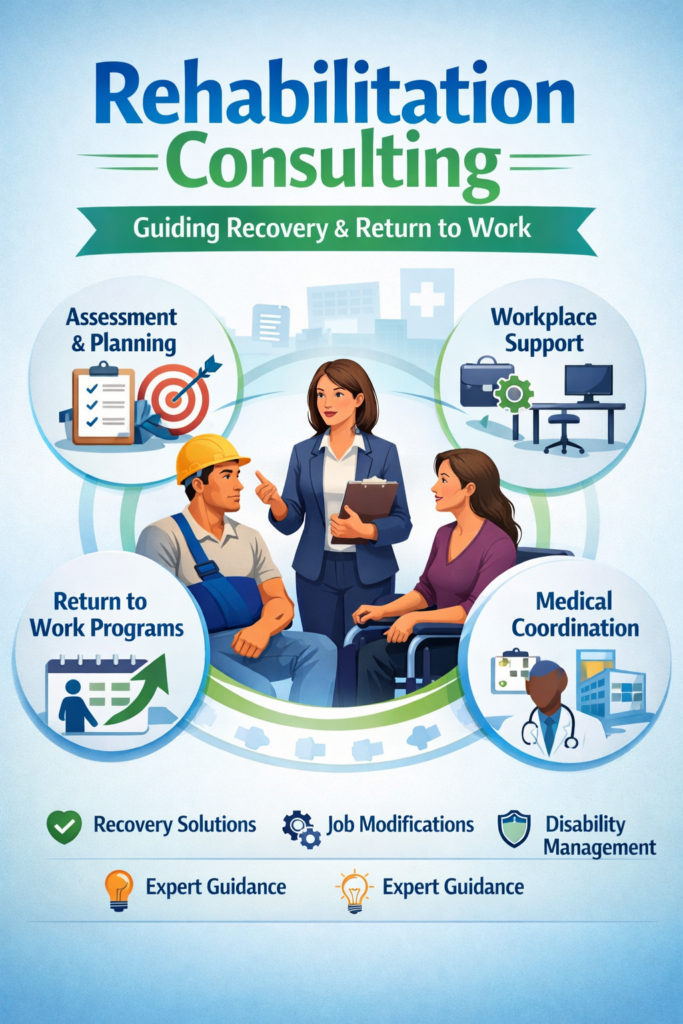
A Medical Needs Assessment is a systematic evaluation process used to identify an individual’s current and future health care requirements. It plays a crucial role in planning personalized care, estimating resources, and ensuring that patients, families, and care providers can make informed decisions.
This guide explores what a Medical Needs Assessment is, why it’s important, how it is conducted, and the benefits it provides across medical, financial, and legal contexts.
What Is a Medical Needs Assessment?
A Medical Needs Assessment is a structured process that evaluates an individual’s health status, functional abilities, and required support services. Its primary goal is to ensure that care is appropriate, timely, and cost-effective.
Purpose of a Medical Needs Assessment
The assessment helps to:
Identify immediate and long-term medical needs
Determine the type and frequency of care required
Develop individualized care plans
Support legal or insurance-related documentation
Who Benefits from a Medical Needs Assessment?
Medical Needs Assessments are beneficial for:
Individuals with chronic illnesses
Patients recovering from serious injuries or surgeries
Aging adults and seniors
Families planning long-term care
Attorneys or insurance providers needing documented health evaluations
Key Components of a Medical Needs Assessment
A thorough Medical Needs Assessment examines multiple aspects of an individual’s health and daily living requirements.
Physical Health Evaluation
Review of medical history and diagnoses
Vital signs and functional tests
Medication management and monitoring needs
Mental and Cognitive Health Assessment
- Cognitive abilities and memory function
Emotional and psychological status
Mental health support requirements
Rehabilitation and Therapy Needs
- Physical therapy requirements
Occupational therapy needs
Speech or cognitive therapy
Personal Care and Daily Living Support
- Assistance with hygiene, dressing, and feeding
Meal preparation and nutritional planning
Mobility assistance and home support
Environmental and Accessibility Assessment
Home modifications for safety and accessibility
Assistive devices and adaptive equipment
Transportation and mobility solutions
The Medical Needs Assessment Process
The process involves multiple steps to ensure a comprehensive evaluation.
Initial Consultation and Record Review
A medical professional reviews all relevant health records, including:
Hospital or clinic records
Previous assessments and treatment history
Medication lists and diagnostic reports
Functional and Health Assessment
The assessor evaluates:
Physical mobility and endurance
Cognitive function and communication abilities
Daily living independence and social support needs
Risk Analysis and Future Needs Projection
Medical Needs Assessments also project potential future health challenges, allowing families and care providers to plan for:
Disease progression or complications
Rehabilitation or therapy continuity
Long-term support and home adaptations
Documentation and Reporting
The findings are compiled into a clear, structured report that can be used for:
Care planning and coordination
Insurance claims or legal purposes
Family guidance and decision-making
Benefits of a Medical Needs Assessment
A properly conducted assessment provides tangible advantages for patients, families, and professionals.
Improved Care Quality
By identifying specific needs, caregivers can provide personalized, timely, and effective support.
Financial Planning and Cost Estimation
Assessments help estimate the costs of long-term care, therapies, and equipment, aiding families and insurance providers.
Legal and Insurance Support
Medical Needs Assessments are frequently used in:
Personal injury claims
Disability evaluations
Medical malpractice cases
Workers’ compensation claims
Peace of Mind for Families
Knowing that care needs are thoroughly evaluated reduces stress and improves confidence in care decisions.
Medical Needs Assessment vs. Standard Health Checkup
While both involve medical evaluation, their purpose and scope differ significantly.
Short-Term vs. Long-Term Planning
Standard health checkups focus on immediate health concerns, while a Medical Needs Assessment evaluates long-term needs and risks.
Comprehensive Functional Evaluation
Medical Needs Assessments examine mobility, cognition, daily living skills, and environmental factors, not just vital signs or lab results.
Legal and Financial Integration
Unlike routine checkups, Medical Needs Assessments produce documentation suitable for insurance, legal, and care planning purposes.
When to Conduct a Medical Needs Assessment
Timing is essential for maximizing the benefits of the assessment.
After Major Illness or Injury
Assessments are critical for patients recovering from serious conditions or surgeries to ensure appropriate rehabilitation and support.
During Aging or Chronic Conditions
Regular assessments help seniors or individuals with progressive diseases anticipate care needs before complications arise.
For Legal or Insurance Purposes
Early assessments support claims by providing clear, evidence-based documentation of current and projected care requirements.
Choosing the Right Professional for a Medical Needs Assessment
Selecting a qualified assessor ensures accuracy and reliability.
Credentials and Experience
Look for professionals with experience in:
Nursing, medicine, or rehabilitation
Life care planning or medical assessment certification
Chronic or complex medical conditions
Communication and Reporting Skills
High-quality assessors provide clear, detailed reports and explain findings in understandable terms for families and professionals.
Collaboration with Care Teams
An effective assessor works closely with physicians, therapists, and caregivers to ensure the assessment aligns with real-world care needs.
Medical Needs Assessment in Long-Term Care Planning
A Medical Needs Assessment is the foundation for effective long-term care planning.
Informing Personalized Care Plans
Assessment data allows care providers to create tailored care plans addressing medical, rehabilitative, and personal needs.
Anticipating Future Health Challenges
By projecting future risks, families can prepare financially and logistically for ongoing care requirements.
Supporting Insurance and Legal Documentation
The assessment provides credible, evidence-based support for claims, settlements, or care approvals.
The Growing Importance of Medical Needs Assessments
As healthcare costs rise and patient needs become more complex, Medical Needs Assessments are increasingly vital for planning, resource allocation, and quality care delivery.
By identifying present and future needs, these assessments empower families, professionals, and legal teams to make informed, strategic decisions.
Final Thoughts on Medical Needs Assessment
A Medical Needs Assessment is more than an evaluation—it’s a roadmap for care, support, and long-term planning. It provides clarity, cost projections, and actionable recommendations that improve patient outcomes, support families, and aid legal or insurance processes.
For anyone navigating complex medical needs, a Medical Needs Assessment ensures that care decisions are informed, proactive, and tailored to individual circumstances.