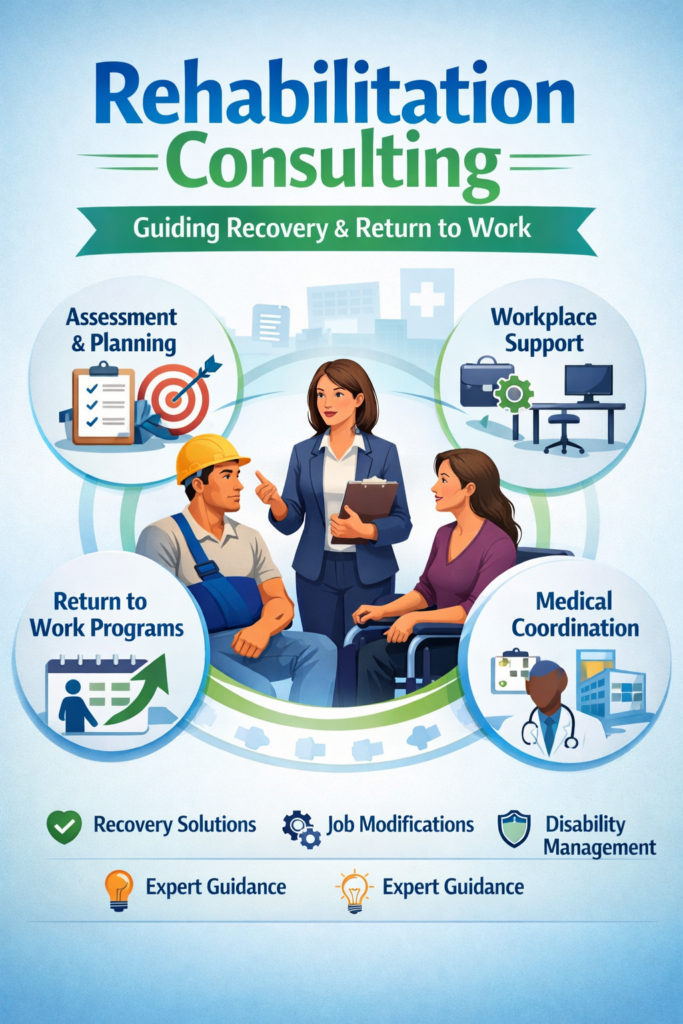
In cases of severe injury, chronic illness, or complex medical conditions, individuals and families face difficult decisions about long-term care, rehabilitation, and support. Multidisciplinary Life Care Planning offers a structured, comprehensive approach by integrating expertise from multiple disciplines to ensure all aspects of care are addressed.
This guide explores the principles of Multidisciplinary Life Care Planning, its benefits, the professionals involved, and how it helps families, patients, and legal teams plan for the future with confidence.
What Is Multidisciplinary Life Care Planning?
Multidisciplinary Life Care Planning is a process that evaluates and documents the current and future medical, rehabilitative, and personal care needs of individuals with complex health challenges. It incorporates input from various healthcare professionals to ensure a well-rounded plan.
Core Objectives of Multidisciplinary Life Care Planning
Identify comprehensive medical and support needs
Integrate perspectives from multiple healthcare disciplines
Project future care requirements and costs
Support decision-making for families, providers, and attorneys
Who Benefits from Health Care Consulting?
- Individuals with catastrophic injuries or chronic conditions
Families seeking long-term care solutions
Healthcare providers and care teams
Attorneys and insurance providers needing documented evidence
Key Components of Multidisciplinary Life Care Planning
A robust plan evaluates all aspects of an individual’s health and daily life, ensuring nothing is overlooked.
Medical and Clinical Needs
Assessment of primary and secondary diagnoses
Medication management and ongoing treatments
Physician and specialist consultations
Rehabilitation and Therapy Needs
- Physical therapy, occupational therapy, and speech therapy
Cognitive and behavioral therapy interventions
Assistive devices and equipment recommendations
Personal Care and Daily Living
- Assistance with activities of daily living (ADLs)
Home health aide services and caregiver support
Nutrition planning and lifestyle guidance
Environmental and Accessibility Considerations
- Home modifications for safety and mobility
Transportation needs and adaptive technology
Equipment such as wheelchairs, lifts, and communication aids
The Multidisciplinary Life Care Planning Process
Developing an effective plan requires a structured approach involving assessment, collaboration, and documentation.
Comprehensive Medical Review
Medical records, treatment history, and test results are thoroughly reviewed to understand current health status.
Functional and Future Needs Assessment
Professionals evaluate physical, cognitive, and social abilities to anticipate future care needs.
Collaborative Planning With Experts
The plan incorporates input from:
Physicians and specialists
Rehabilitation therapists
Psychologists or behavioral experts
Social workers and care coordinators
Cost Projection and Documentation
Projected costs for medical care, therapy, equipment, and personal support are detailed to help families and legal teams plan financially.
Benefits of Multidisciplinary Life Care Planning
Proper planning offers a wide range of benefits to patients, families, and healthcare organizations.
Holistic, Comprehensive Care
Ensures all medical, rehabilitative, and personal needs are addressed, reducing gaps in care.
Improved Long-Term Outcomes
By anticipating future challenges, the plan supports better health, safety, and quality of life.
Financial and Legal Support
Provides defensible, evidence-based documentation for insurance claims, settlements, or legal cases.
Peace of Mind for Families
Knowing that all aspects of care are planned and coordinated reduces stress and uncertainty.
Professionals Involved in Multidisciplinary Life Care Planning
A team-based approach ensures expertise from all relevant disciplines is applied.
Physicians and Specialists
Provide diagnosis, treatment recommendations, and projections for ongoing medical needs.
Rehabilitation Therapists
Assess and recommend therapies to support mobility, functionality, and independence.
Psychologists and Behavioral Specialists
Evaluate cognitive, emotional, and behavioral needs for comprehensive mental health care.
Social Workers and Care Coordinators
Coordinate services, facilitate access to resources, and provide family support.
Financial and Legal Experts
Assist with cost projections, insurance navigation, and documentation for legal cases.
Multidisciplinary Life Care Planning vs. Standard Care Planning
While both focus on care, their scope and approach differ significantly.
Depth of Analysis
Standard care planning addresses immediate needs; multidisciplinary planning evaluates long-term, holistic requirements.
Collaborative Approach
Multidisciplinary plans integrate expertise from multiple professionals, unlike traditional single-provider plans.
Financial and Legal Preparedness
A multidisciplinary plan provides structured cost projections and documentation for insurance or legal purposes.
When to Initiate Multidisciplinary Life Care Planning
Timing is key to maximizing the effectiveness of the plan.
Early Intervention After Injury or Diagnosis
Early planning allows accurate projections and timely intervention to optimize outcomes.
Ongoing Updates as Needs Evolve
Regular updates ensure the plan reflects changes in medical conditions, therapy requirements, or personal circumstances.
Support for Legal or Insurance Cases
Early assessments provide credible, evidence-based documentation for settlements, claims, or disputes.
Real-World Applications and Case Studies
Multidisciplinary Life Care Planning has proven benefits across diverse scenarios.
Catastrophic Injury Cases
A comprehensive plan for spinal cord injury ensured coordinated medical care, therapy, and personal support for lifelong needs.
Chronic Illness Management
For progressive neurological conditions, the plan helped families anticipate therapy, equipment, and home modifications.
Legal and Insurance Support
Life care plans have been critical in achieving fair settlements for personal injury and medical malpractice cases.
The Future of Multidisciplinary Life Care Planning
As healthcare becomes increasingly complex, these plans continue to grow in importance.
Integration of telehealth and remote monitoring
Advanced analytics for predictive care planning
Emphasis on patient-centered, value-based care
Collaboration between medical, legal, and financial professionals
Multidisciplinary Life Care Planning ensures patients, families, and healthcare providers are prepared for the future with a coordinated, evidence-based approach.
Final Thoughts on Multidisciplinary Life Care Planning
A Multidisciplinary Life Care Plan is essential for anyone facing complex medical or personal care needs. By combining expertise from multiple disciplines, it provides a holistic, evidence-based roadmap for long-term support.
Whether for personal planning, family guidance, or legal purposes, multidisciplinary planning ensures clarity, coordination, and confidence in the care journey.